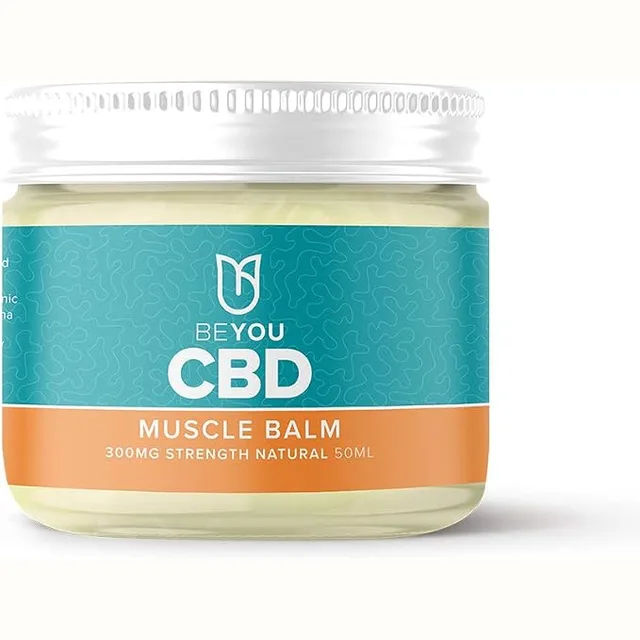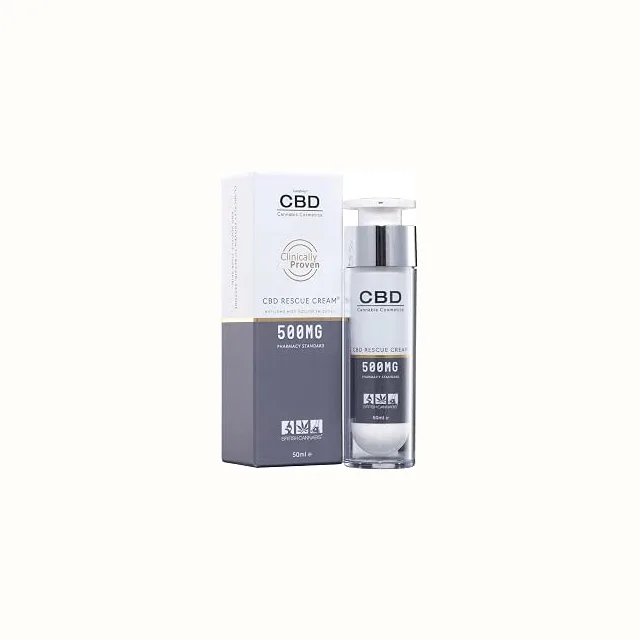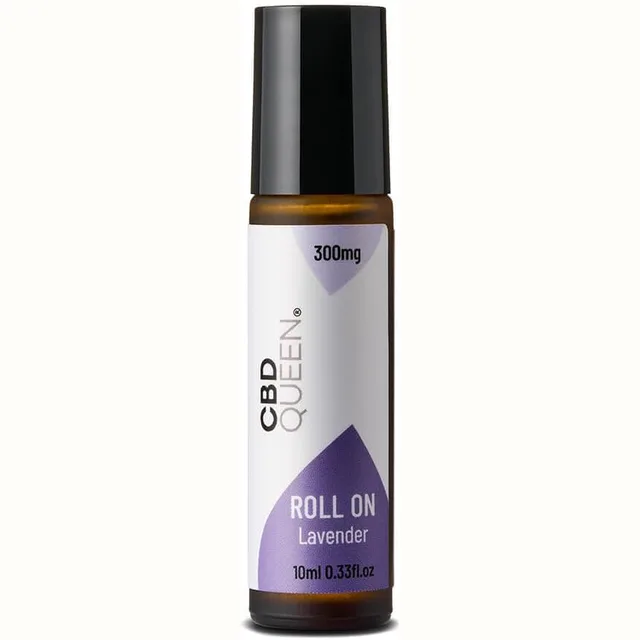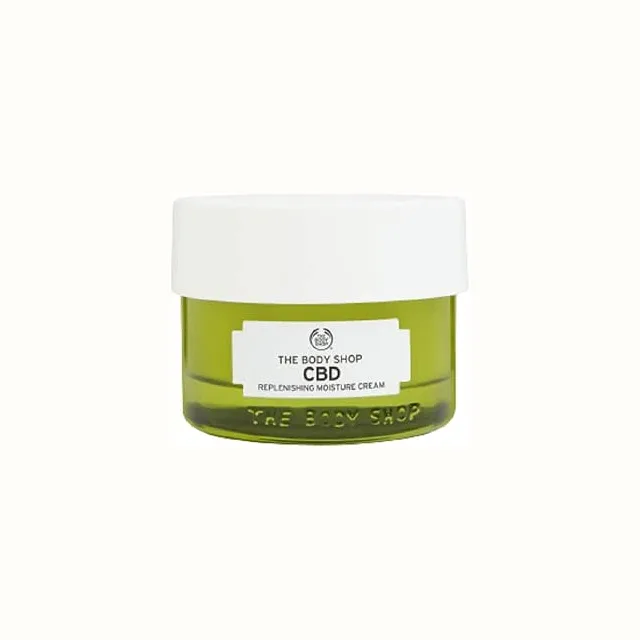
What does topical mean?
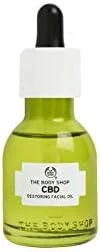
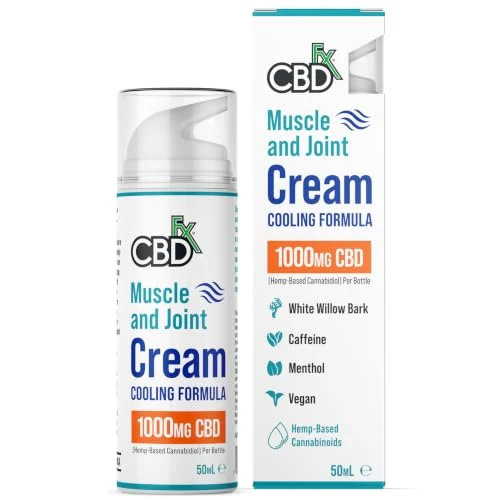
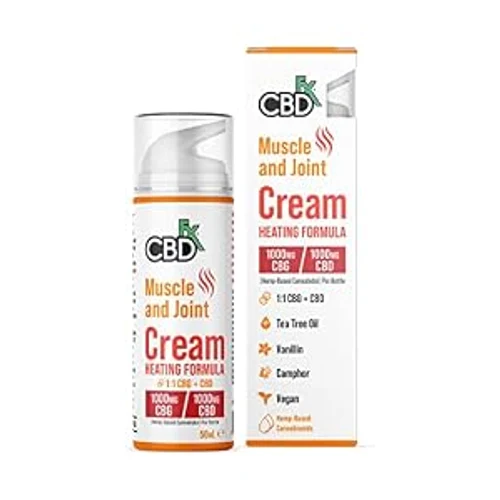
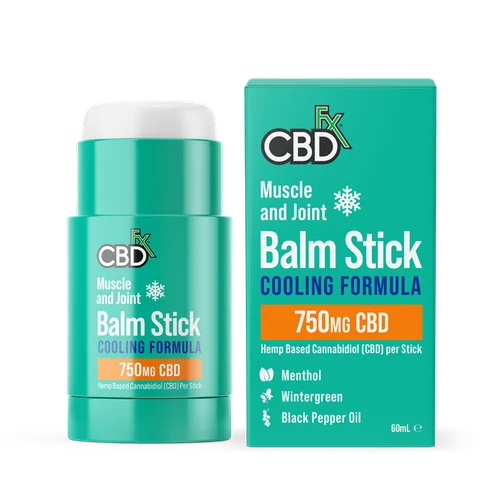
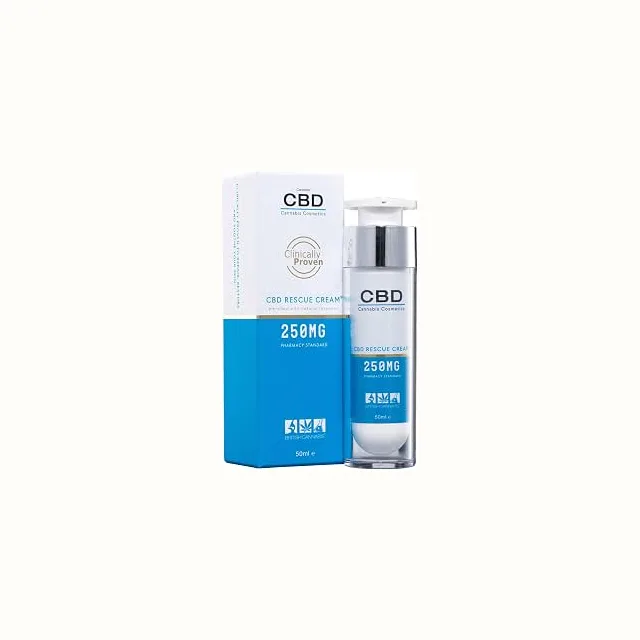
A topical is applied to the skin. Creams, balms, lotions, and salves can have very different bases and ingredients. Compare the whole formulation rather than focusing on the letters CBD.
Read the cosmetic ingredients too
Fragrance, essential oils, preservatives, and other ingredients may matter to your skin. Follow the labelled directions and do not assume a CBD product belongs on broken skin, near your eyes, or on every sensitive area.
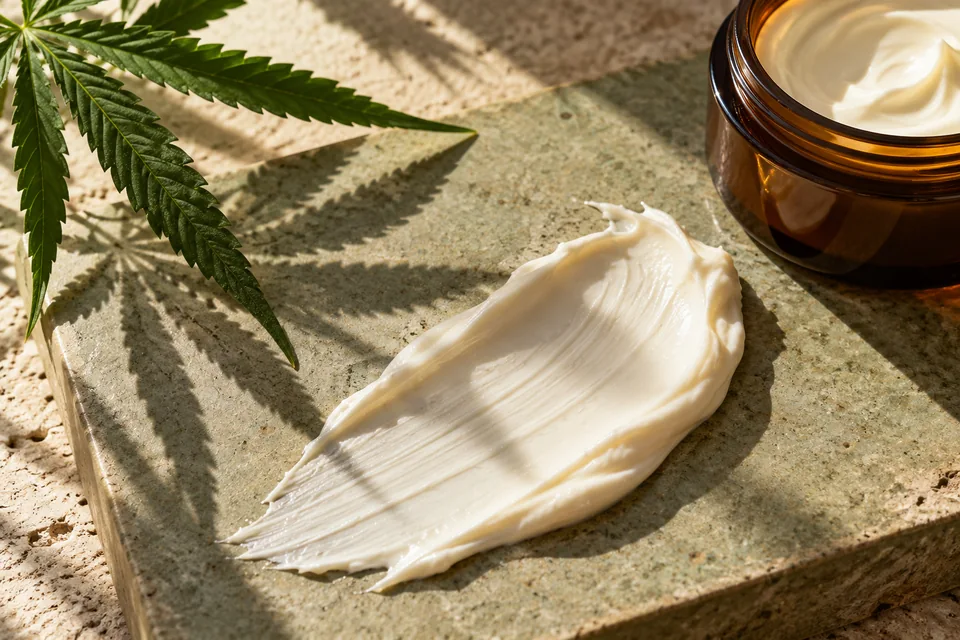
A balm may contain several active ingredients. Cooling, warming or soothing after application does not identify which ingredient caused it.
Explore the data and checksIllustrative composition · AI-generatedAsk what the claim means
“Soothing” and “moisturizing” describe different claims from “treats arthritis” or “heals eczema”. Evidence must match the claimed outcome and the specific formulation. FDA notes important unknowns about how different routes of CBD use affect exposure. [1]
Choose your comparison criteria
Check the amount of CBD in the whole container, package size, instructions, other active ingredients, and the matching batch report. For persistent pain or a new skin problem, seek an assessment of the cause rather than choosing a product by its marketing headline.
Match the kind of claim to the kind of evidence
These examples identify different questions. They are not a rating of any particular cream.
| Claim or observation | Relevant support | Remaining boundary |
|---|---|---|
| The cream contains CBD | Finished-product composition and a matching report | Presence does not establish a treatment effect |
| The formula moisturises | Evidence for that finished cosmetic formulation | It does not isolate CBD’s contribution |
| A user reports warmth or cooling | A report about the complete application experience | It does not identify the responsible ingredient |
| The product treats a disease | Appropriate therapeutic evidence and applicable authorisation | A cosmetic ingredient list is insufficient |
Reading the comparison
Virde’s warming balm contains CBD, menthol, camphor and other ingredients. A sensation after application concerns the whole formula. To isolate CBD’s contribution, a study would need a suitable comparison with the same base.
FDA’s US cosmetic and drug categories depend on intended claims. The European Commission also states that a CosIng entry is not an approval. An ingredient list documents composition; it does not demonstrate the finished product’s advertised performance.
Read a topical claim
- Name the outcome
Composition, moisturising, sensation or treatment?
- Identify the evidence
Ingredient data, formula testing or medicinal evidence?
- Keep the boundary
Do not assign the whole formula’s result to CBD.
Scope: The manufacturer example establishes listed ingredients only. This is not a product test, a full legal assessment or evidence of clinical benefit.
Questions worth asking
Does a CosIng entry mean a CBD cream is approved?
No. The Commission describes CosIng as an information database. An ingredient entry does not approve a finished product or establish its claimed effects.
Does a cooling feeling prove that CBD is working?
It describes an experience with the whole formula. Without an appropriate comparison, it does not establish the specific contribution of CBD.
Sources & scope
- FDA · CBD: risks, side effects and unknowns
- Food Standards Agency · Analysis of CBD products (2022–23)
- FDA · Is it a cosmetic, a drug, or both?
- European Commission · CosIng scope and limitations
- Virde · Warming hemp and CBD balm: original formula
Sources checked October 19, 2026. Linked material supports the specific claims discussed; practical label checklists are editorial guidance. This article has not received clinical or veterinary peer review. Read our editorial approach.
Educational information for adults. Not a diagnosis, treatment plan, product endorsement, or personal dosing recommendation. Ask a qualified clinician or veterinarian about your situation.